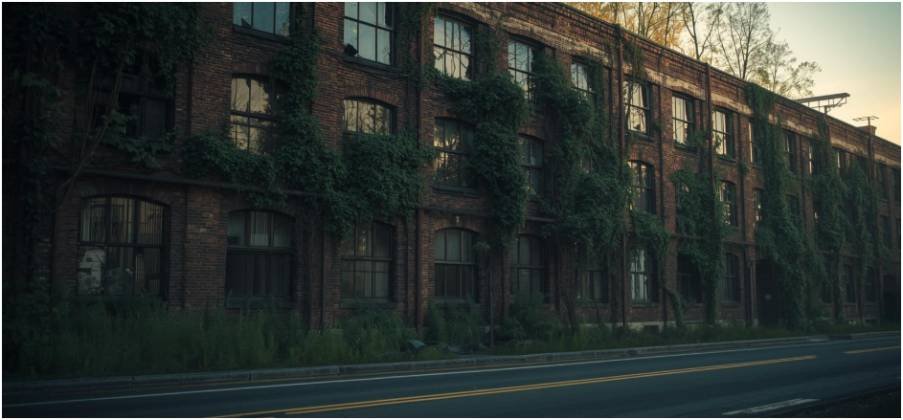
The first time I figured out how to find abandoned places, I wasn’t crawling through a creepy fence or dodging “No Trespassing” signs. I sat on my couch with coffee, zooming around on Google Maps, and spotted this lonely warehouse with a caved-in roof and weeds taller than the loading dock.
That little digital discovery hooked me. Since then, I treat abandoned places like a weird mix of history lesson, photography playground, and mini workout. And yes—you can build the same skill set without breaking laws or bones.
Why should you even learn how to find abandoned places?
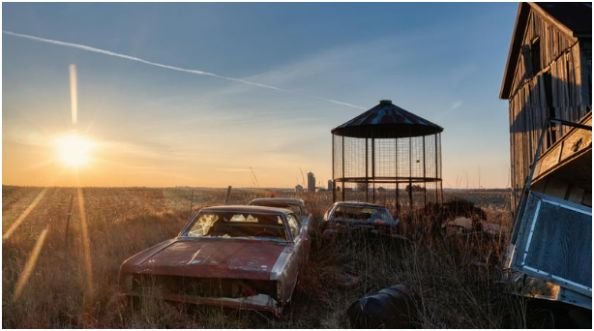
I see abandoned places as time capsules. A closed factory, an empty farmhouse, or a forgotten train station tells a story about work, families, and the way a city used to breathe. When you learn how to find them, you unlock those stories a little bit at a time.
You also give your free time a serious upgrade. Instead of scrolling endlessly, you explore your own region with curiosity. You start to notice patterns: where factories cluster, where small towns shrank, where big dreams stalled. It feels oddly grounding.
You also sharpen your awareness. You learn to read small clues—overgrown grass, boarded windows, dead parking lots—and that mindset spills into the rest of your life. You start to look closer, ask better questions, and move through your city with a bit more intention.
How to find abandoned places using online tools?
When I want a fresh list of spots to research, I open my laptop before I grab my keys. Online tools make how to find abandoned places way easier than it sounds. You don’t wander blindly; you stalk your locations like a thoughtful detective.
I start with dedicated urbex maps and websites. Platforms like Urbex maps or abandoned-place databases let users share locations, photos, and sometimes the history behind a place. Many people follow the urbex code of ethics: take only photos, leave only footprints. I treat those sites as inspiration, not a checklist.
Then I move to Google Maps and Google Earth. I switch to satellite view and scan industrial areas, old rail lines, and rural zones. I look for sagging roofs, parking lots with no cars, and buildings swallowed by trees. After that, I drop into Street View and check how the building looks from the road so I stay within legal limits while I scout.
How to find abandoned places with local info and real-world clues?
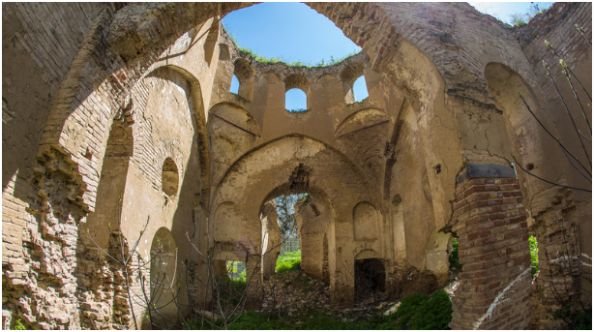
Online research gives me leads, but the real fun starts when I drive around with a podcast playing and my eyes wide open. I treat a slow Sunday drive as a field survey. I pass through older neighborhoods, forgotten industrial parks, and back roads that people stopped caring about years ago.
I look for classic signs of neglect: patchy roofs, overgrown yards, graffiti, boarded doors, and windows covered from the inside. A forever-full mailbox or flyers stuck in the same spot for weeks also tells a loud story. In winter, untouched snow near an entrance, no tire tracks, and no footprints often scream “no one lives here.”
I also talk to locals whenever I feel comfortable. A neighbor who lives next to that creepy factory usually knows exactly how long it’s been empty and why it closed. Sometimes I learn about a whole row of abandoned homes or a ruined hotel just from a quick chat over a fence.
How does community help with how to find abandoned places?
I never treat urbex like a solo obsession locked inside my head. Online communities help a lot, especially when I want context or safety tips. I join urbex groups on Reddit and Facebook and watch how people talk about locations and boundaries.
Most communities don’t drop exact addresses publicly. They share hints, general areas, or before/after photos. I respect that. It protects places from vandalism and keeps the vibe focused on exploration and documentation, not destruction. I use their stories as direction, then I do my own homework.
Real estate and auction sites also add another layer. When I see words like “foreclosure,” “not habitable,” or “immediate possession,” I know a property sits in a fragile moment. It might not count as fully abandoned, but it often marks a place on the edge—and that makes for interesting research.
Quick comparison: online vs real-world methods
| Method | Where I Use It | What I Look For | My Pro Tip |
| Urbex websites/apps | Desktop or phone | User photos, rough locations, history notes | Treat them as leads, never as a final map. |
| Google Maps / Earth | Laptop with satellite + Street View | Overgrowth, roof damage, empty lots | Follow rail lines and riverfronts closely. |
| Social media & forums | Reddit, Facebook groups | Hints, stories, safety advice | Read old threads; they hide gold. |
| Driving / walking around | Car, bike, or on foot | Boarded windows, graffiti, no activity | Go during the day and stay on public property. |
| Local records/newspapers/taxes | Library sites, city/town websites | Closures, foreclosures, tax-delinquent lists | Combine articles with maps for deeper context. |
How to find abandoned places step by step (without being reckless)?
When I want a new location, I follow the same loose routine every time. It keeps me curious but also grounded and safe.
First, I pick a general area: maybe an old industrial district, a shrinking small town, or a stretch of railroad I haven’t studied yet. I use Google Maps to scan that region in satellite view. I mark anything that looks suspiciously empty or overgrown.
Next, I research those spots. I check local history pages, old news articles, or forums to see if a factory closed, a school shut down, or a hospital moved. This step helps me avoid active businesses that just look quiet. I also check real estate and tax information when it’s easy to access.
Then, I plan a daytime drive. I stay on public roads and sidewalks and take mental notes: broken windows, boarded entrances, missing power meters, and no movement anywhere. If I still feel curious, I ask a nearby neighbor about the place. If I want to go inside later, I track down the owner for permission. Trespassing never feels worth fines, arrest, or a broken leg.
What FAQs come up when people ask how to find abandoned places?
1. Is it legal to explore abandoned places if I don’t break anything?
I never assume that. If I step onto private property without permission, I trespass, even if I treat the place like a museum. Laws vary, but owners, security, and cops usually don’t care how careful I feel. I stick to public property for scouting and only enter when I get clear permission. Safety and legality beat adrenaline every time.
2. How do I stay safe while exploring abandoned locations?
I treat every abandoned site like a partially broken building. I go during the day, bring a friend, and keep my phone charged. I wear sturdy boots, long sleeves, and sometimes a mask for dust or mold. I avoid floors that sag, stairs that wobble, and rooms that smell weirdly chemical. If anything feels off, I step out instead of toughing it out.
3. Where do beginners start when they want to learn how to find abandoned places?
I tell beginners to start on their screens. They can study Google Maps, read local abandonment stories, and scroll through urbex forums. Then they can drive through older industrial areas or rural stretches and simply observe from the road. They build their “eye” for neglect before they even think about entering anything. That patient approach keeps them safe and informed.
4. Can real estate or auction sites help with how to find abandoned places?
Yes, they help more than people expect. Listings that mention foreclosure, structural issues, or “not habitable” give me clues about places in limbo. I don’t treat every listing as an urbex spot, but I use that information to understand which neighborhoods struggle, which buildings sit empty, and which areas might hide future abandoned gems.
So, are we a little obsessed with how to find abandoned places now, or what?
If you feel a spark of excitement right now, you’re not alone. Learning how to find abandoned places turns random drives and lazy evenings into little missions. You explore maps, read history, talk to neighbors, and pay attention to the built world like it still matters—because it does.
My personal tip: treat every location with respect. You don’t need to sneak in to appreciate its story. Sometimes the best moment comes when you stand on the sidewalk, camera in hand, and imagine the noise that used to fill that silent, decaying space. Explore with curiosity, stay legal, stay safe, and let each abandoned place remind you that every building—and every city—has a memory.