
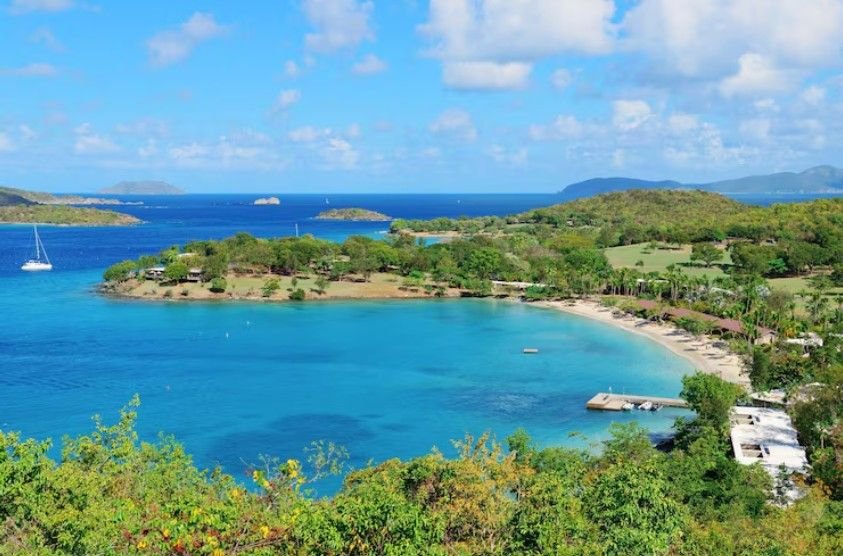
The moment you arrive on St. John, you understand why so many travelers call it the most peaceful corner of the Caribbean. It is small, quiet, and stunningly preserved, with Virgin Islands National Park protecting nearly two thirds of its land. That single fact shapes the entire experience. The beaches look untouched, the water feels clear enough to drink, and the hiking trails lead to panoramic views and centuries of layered history. If you are searching for the best things to Do in St John, consider this blog as your complete guide to planning a visit that feels relaxed, authentic, and full of memorable outdoor experiences.
Top Beaches to Visit
Trunk Bay
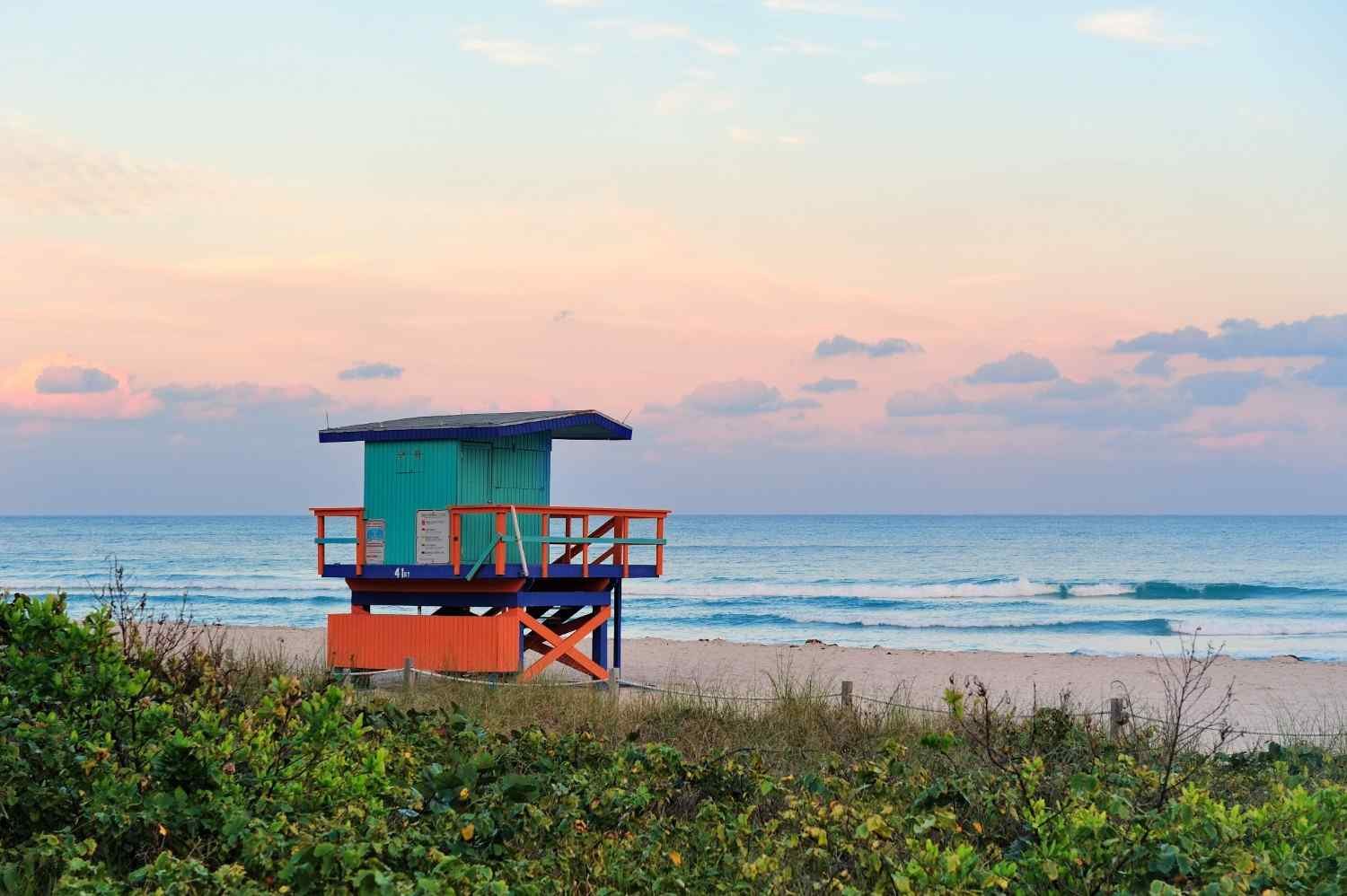
Trunk Bay is the most photographed beach on St. John and for good reason. The sand is soft and white, the water is crystal clear, and the bay’s underwater snorkeling trail gives beginners and families a fun way to explore coral and marine life. There are facilities on site, which makes it one of the easiest beaches to enjoy for a full day.
Maho Bay
If you want a calm, shallow beach with excellent wildlife viewing, head to Maho Bay. The seagrass beds here draw sea turtles and stingrays, so you can often see them right from the shore. Families appreciate the gentle water and easy access to shaded areas and food trucks.
Cinnamon Bay
Cinnamon Bay is the longest stretch of beach on St. John and offers a wide range of water activities. Visitors can rent kayaks, paddleboards, or small sailboats and enjoy the spacious beachfront area. The campground nearby attracts travelers who want to stay close to nature.
Hansen Bay
Located on the quieter East End, Hansen Bay has a serene, local feel. The water is calm and clear, making it a great spot for a peaceful swim or a beginner snorkel session. It is one of the best beaches for travelers who want to avoid crowds.
Best Snorkeling Spots
Waterlemon Cay
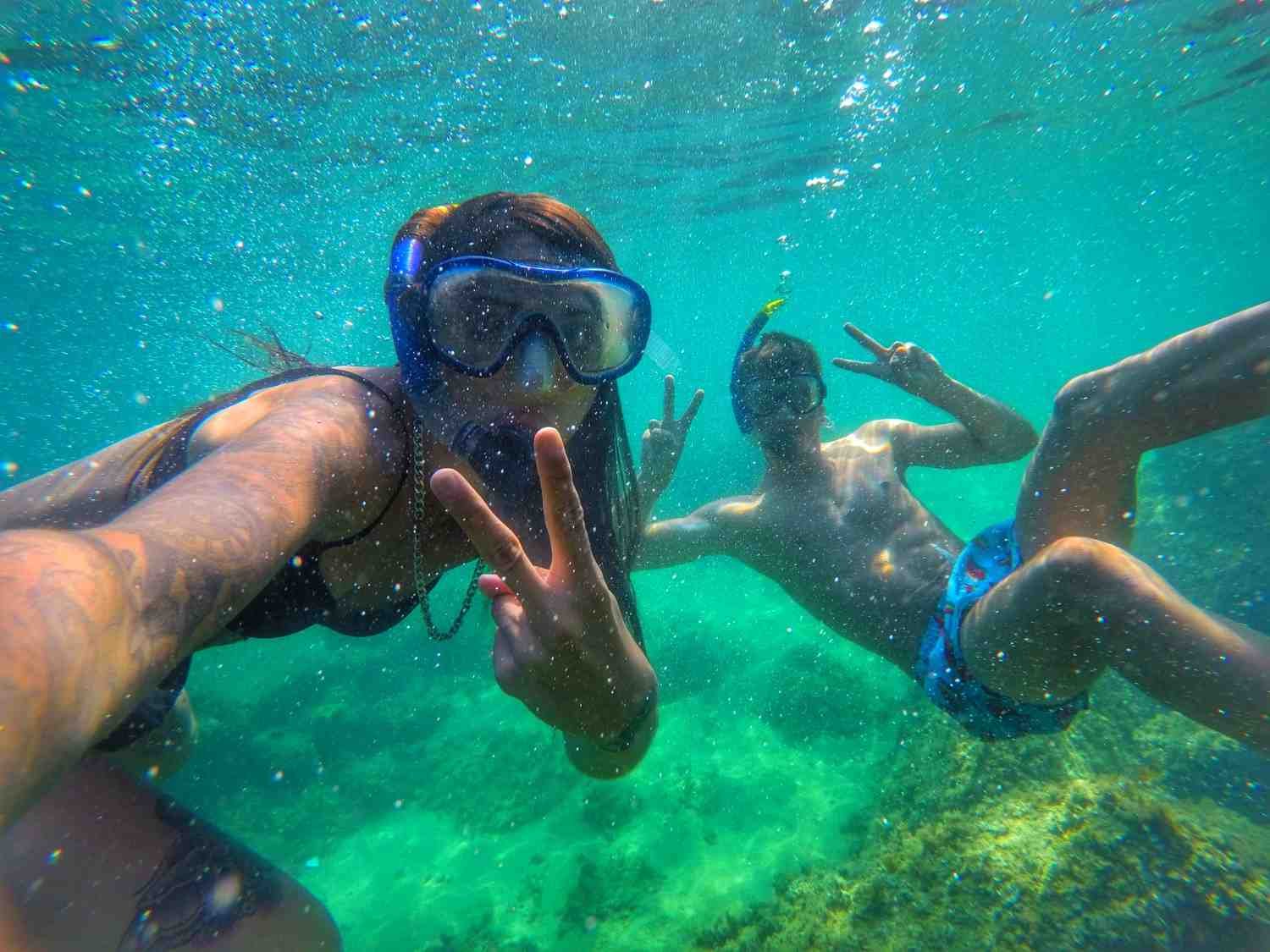
Waterlemon Cay offers some of the richest marine life on the island. The cay sits just offshore from Leinster Bay, and the swim to reach it is manageable for most confident snorkelers. Expect vibrant coral formations, schooling fish, and occasional sea turtles gliding through the current.
Salt Pond Bay
On the southeastern side of St. John, Salt Pond Bay feels more remote and offers excellent visibility. The mix of coral, sea fans, and colorful fish makes it a favorite among snorkelers who want to escape the more popular beaches.
Honeymoon Beach
Honeymoon Beach is accessible by land or by boat and offers calm water ideal for snorkeling. The nearby concessions make it easy to rent snorkel equipment, kayaks, or paddleboards if you want to explore the surrounding coves.
Top Hiking Trails
Reef Bay Trail
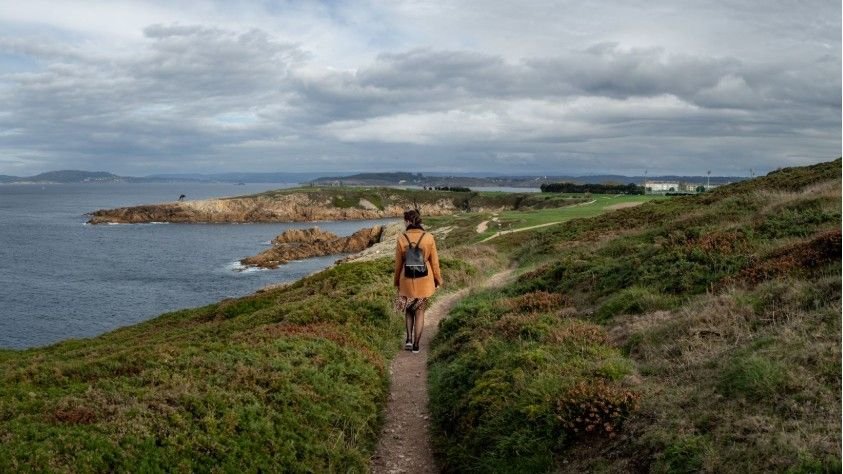
Reef Bay Trail is one of the most iconic hikes in the Virgin Islands National Park. The trail descends through a shady forest lined with tropical plants and historic ruins. Along the way, you will encounter multiple sugar mill sites as well as preserved petroglyphs carved by the island’s early Indigenous people. The trail ends at a quiet shoreline that feels worlds away from Cruz Bay.
Ram Head Trail
For dramatic cliffs, ocean views, and a rewarding final summit, Ram Head Trail delivers. Starting from Salt Pond Bay, the hike follows coastal terrain before rising sharply toward a rocky overlook. Many hikers visit in the late afternoon to catch a colorful sunset from the peak.
Lind Point Trail
The Lind Point Trail is perfect for beginners and offers easy access from Cruz Bay. It winds through shaded forest and connects directly to Honeymoon Beach, making it a great choice for a half day hike followed by a swim.
Brown Bay Trail
Brown Bay is one of the quieter areas of St. John. The trail to reach it is relatively short but leads to a secluded beach and grassy wetlands with notable wildlife viewing. It is ideal for visitors seeking a peaceful and less traveled route.
Historical and Cultural Sites
Annaberg Sugar Plantation
Annaberg Sugar Plantation stands as one of the most important historical sites on St. John. The well preserved ruins include slave quarters, a windmill, factory remains, and interpretive displays that explain the island’s sugar production era. Park rangers and volunteers often offer short educational talks that provide context and insight into the island’s past.
Catherineberg Ruins
These expansive stone ruins sit atop a hill and offer a striking look at the architecture and engineering of the plantation period. Though less visited than Annaberg, Catherineberg feels atmospheric and quiet, making it a powerful stop for history lovers.
Where to Eat and Drink
Cruz Bay
Cruz Bay is St. John’s main activity center. Here you will find restaurants serving local seafood, Caribbean inspired dishes, and fresh cocktails. The dining scene ranges from casual beachfront bars to upscale bistros that focus on locally grown and sourced ingredients. Shopping centers like Mongoose Junction offer boutiques, galleries, and specialty stores that highlight the island’s arts community.
Coral Bay
Coral Bay offers a relaxed atmosphere and a creative, bohemian vibe. The restaurants here are known for friendly service, beautiful waterfront views, and a mix of Caribbean and American flavors. One of the most unique dining experiences on the island is Lime Out, a floating taco bar that is accessible only by boat. It is a favorite for travelers looking for something playful and memorable.
Shopping and Local Crafts
Handcrafted Jewelry and Art
St. John has a strong artisan community. You will find handmade jewelry inspired by the island’s natural materials, small batch skincare products using local botanicals, and art created by residents who translate the island’s landscapes into paintings and prints.
Local Markets
Occasional farmers markets and craft fairs allow visitors to meet local makers and support small businesses. These markets often feature homemade jams, island spice blends, pottery, carvings, and textiles.
How To Plan Your Visit
Best Time to Travel
St. John is beautiful year round, but the most popular time to visit is December through April when temperatures are mild in St.John. Rainfall is also comparatively low. The shoulder seasons, May to June and November, offer fewer crowds and pleasant weather. Travelers visiting during hurricane season, especially August to October should remain flexible.
How to Get Around
Most visitors rent a Jeep to explore the island’s hilly and scenic roads. St. John drives on the left side, so take your time adjusting. Taxis are available at popular beaches and trailheads, but having your own vehicle offers more freedom, especially if you plan to visit the East End or Coral Bay.
Where to Stay
Your choice of accommodation shapes your experience. Cruz Bay is ideal for travelers who want convenience, dining, and walkability. Coral Bay is ideal for those who want quiet mornings, starry nights, and proximity to remote beaches. Villas, small hotels, and eco-friendly cottages are the most common lodging options.
Frequently Asked Questions
1. How many days do you need to explore St. John?
Most travelers enjoy the island comfortably in four to six days. This allows time for several beaches, a boat tour, a few hikes, and meals in both Cruz Bay and Coral Bay. A full week is ideal for travelers who enjoy a slower pace.
2. Is St. John good for families?
St. John is excellent for families because the beaches are calm, the snorkeling is beginner friendly, and many activities take place outdoors. Maho Bay and Trunk Bay are especially popular for family trips.
3. Do you need a passport for St. John?
US citizens do not need a passport to visit St. John. A passport is required only if you plan to visit the nearby British Virgin Islands.
4. Is St. John expensive?
St. John tends to be more expensive than other Caribbean islands because it imports many goods and has limited commercial development. Travelers can manage costs by visiting in shoulder season, renting a villa with a kitchen, and enjoying local food stands instead of dining out every night.
The Perfect Island Escape
When you think about Things to Do in St John, it helps to understand that the island is less about checking off attractions and more about embracing the rhythm of a place that values nature, preservation, and quiet beauty. The beaches look pristine because the island is protected. The trails feel peaceful because they pass through hundreds of acres of preserved forest. Even the dining and shopping scenes reflect a community that prioritizes quality and authenticity over commercial flash.
St. John encourages visitors to slow down, explore mindfully, and notice details that might go unseen in a busier destination. The color of the water in the early morning. The sound of birds in the national park. The gentle movement of sea turtles in a shallow bay. The wide sky stretches over Ram Head at sunset. These moments are small, but they define the experience.
If you plan your visit with intention and curiosity, St. John does the rest. It delivers natural beauty, history, adventure, and a sense of peace that is increasingly rare. Let the island guide you, and you will leave with a deeper appreciation for what makes this corner of the Caribbean so special.