
When it comes to financial security, having an emergency fund is one of the best things you can do for your peace of mind. But if you’re like many people, you might be wondering: how much money should be in an emergency fund?
It’s not a one-size-fits-all answer, but understanding the basics can help you build a solid, practical emergency fund that gives you the flexibility to handle life’s unexpected bumps.
Let me walk you through how much you should aim to save, why it matters, and how to get started. Trust me, it’s more manageable than you might think.
What Exactly Is an Emergency Fund and Why Do You Need One?
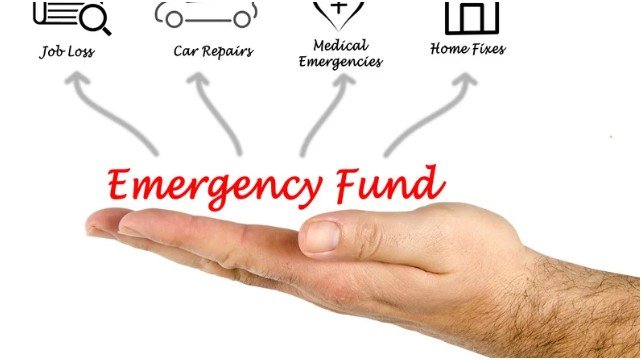
Think of an emergency fund as your financial safety net. It’s the money you stash away to cover unexpected events—like a medical emergency, car repairs, or even a sudden job loss. The idea is that you won’t have to scramble or go into debt when life throws you a curveball.
An emergency fund acts as a buffer between you and financial stress. It ensures that you’re covered for those “what now?” moments. But to really be effective, you need to figure out how much money should be in an emergency fund to make sure you’re truly protected.
How Much Should I Aim for?
This is the big question! The general rule of thumb is to save 3 to 6 months’ worth of living expenses. However, your exact goal will depend on a few key factors. Let’s break them down.
Standard Recommendation: 3–6 Months of Expenses
If you’re in a stable job, living situation, and have predictable expenses, aiming for 3–6 months of essential living expenses is usually enough. Think of it as your financial cushion, covering the basics like rent, utilities, groceries, insurance, and transportation.
For example, if your monthly expenses total $3,000, your target emergency fund should range between $9,000 (3 months) and $18,000 (6 months). It might sound daunting at first, but we’ll talk about how to break it down into manageable steps.
More Stability = More Savings (6–12 Months)
If you’re self-employed, work in an unstable job, or have dependents, I recommend bumping up your emergency fund to 6–12 months’ worth of expenses.
The goal here is to give yourself extra breathing room, especially if your income fluctuates or if you rely on multiple people for financial support.
For instance, if your expenses are $5,000 per month, a 6-month fund would be $30,000, while a 12-month fund would be $60,000. This may seem overwhelming, but remember, it’s all about adjusting based on your own unique situation.
How Do I Calculate My Emergency Fund?

Now that you know how much you should save, let’s get into the nitty-gritty of calculating it. Here’s how I do it, step-by-step:
Step 1: List Your Essential Monthly Costs
Start by listing everything you absolutely need to pay every month. For most people, this includes:
- Housing (rent or mortgage)
- Utilities (electricity, water, gas)
- Food (groceries)
- Insurance (health, car, home)
- Transportation (car payments, gas, public transit)
- Any essential monthly payments (medications, child care, etc.)
Step 2: Add Up the Total
Once you’ve got your essential expenses down, add them up to get your total. For example, if your monthly expenses look like this:
- Rent: $1,500
- Utilities: $200
- Groceries: $300
- Insurance: $150
- Transportation: $250
That’s $2,400 in essential monthly expenses.
Step 3: Multiply by 3, 6, or More
Next, multiply your total monthly expenses by the number of months you want to save for. If you’re aiming for a 3-month emergency fund, the calculation would look like this:
$2,400 x 3 = $7,200
If you want to go for the full 6 months, that would be:
$2,400 x 6 = $14,400
How to Build Your Emergency Fund Without Feeling Overwhelmed
Building an emergency fund may feel like a huge task, especially if you’re starting from scratch. Here’s how to break it down and make the process feel more manageable.
Start Small and Build Gradually
It doesn’t need to be all or nothing. Start with a smaller goal like $500 or $1,000. This is a great way to cover smaller emergencies like car repairs or medical bills. Once you hit that milestone, keep building it up, aiming for that 3 to 6 months’ worth of expenses over time.
Set a Monthly Savings Goal
Determine how much you can reasonably save each month toward your emergency fund. Even $50 or $100 per month can add up over time. I like to set up automatic transfers into my high-yield savings account to make saving effortless.
Cut Back on Non-Essential Spending
To build your emergency fund faster, take a closer look at your discretionary spending. Can you cut back on dining out, entertainment, or subscriptions you don’t use? Every little bit helps and brings you closer to your goal.
What Are the Best Places to Keep Your Emergency Fund?
Once you’ve decided how much money should be in an emergency fund, the next step is to figure out where to put it. You want it to be safe, accessible, and growing. Here are a few great options:
High-Yield Savings Accounts (HYSAs)
HYSAs are a great choice because they offer better interest rates than regular savings accounts. They also have FDIC insurance, which means your deposits are protected up to $250,000. Look for online banks that offer competitive APYs (Annual Percentage Yields), like 4.0%–5.84%.
Money Market Accounts
Money market accounts are another solid option, offering similar benefits to HYSAs but sometimes with higher minimum balance requirements. They offer easy access to your funds and a safe place to grow your money.
FAQs About Emergency Funds
Q1: How much should I have in my emergency fund if I’m self-employed?
If you’re self-employed, I recommend building up 6–12 months of expenses. The more unpredictable your income, the more you’ll need to cover unexpected lulls between jobs or clients.
Q2: What counts as an “essential” expense?
Essential expenses include anything necessary for basic living—things like housing, utilities, groceries, and insurance. Non-essentials, like entertainment or dining out, shouldn’t be factored into your emergency fund goal.
Q3: Can I use my emergency fund for non-urgent things?
The purpose of an emergency fund is for unexpected, urgent expenses. I recommend sticking to the basics (like medical bills or car repairs) and keeping other savings for non-urgent things like vacations or large purchases.
Wrapping Up: Your Financial Safety Net Starts Here
Building an emergency fund doesn’t need to feel overwhelming. Start small, stay consistent, and build it up over time. With a little planning, you’ll have a safety net that gives you the peace of mind to handle whatever comes your way.
Pro Tip: If you’re struggling to find money for savings, try living on a stricter budget for a few months. Once your emergency fund is built, you’ll thank yourself for taking the time to prepare.