Cleaning solar panels may sound like a hassle, but trust me, it’s easier than you think and incredibly satisfying. If you’re anything like me, you probably want to make sure your solar panels are running at peak efficiency without having to hire a professional every time they need a little TLC.
In this post, I’ll walk you through how to clean solar panels like a pro, making sure you’re taking the right steps without damaging your system.
Why Clean Solar Panels Anyway?
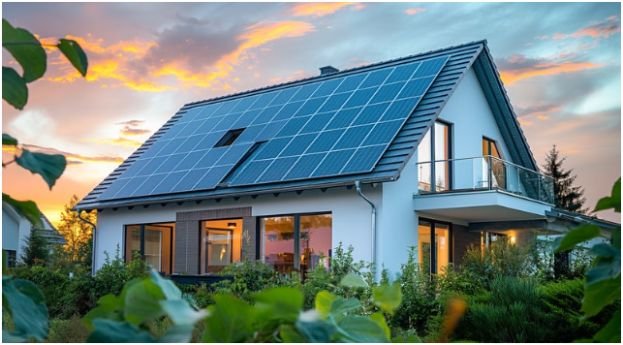
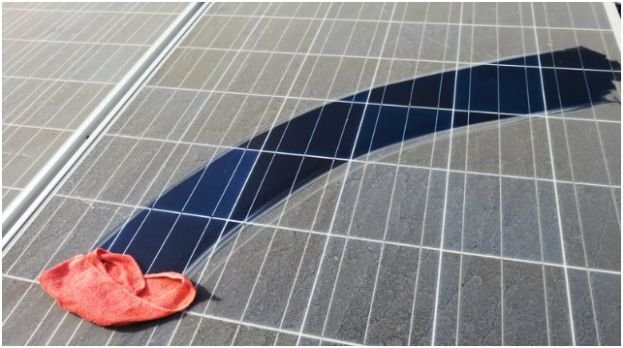
You might wonder: why bother cleaning solar panels if they’re designed to handle the elements? Well, over time, dirt, dust, bird droppings, and even tree sap can build up on your panels.
This buildup can block sunlight and reduce their efficiency. Keeping your panels clean is one of the easiest ways to ensure they work efficiently and last as long as possible. Plus, it’s a great way to maintain the performance of your system and avoid unnecessary repair costs.
When Should I Clean My Solar Panels?
It’s important to time your solar panel cleaning correctly to avoid any damage and get the best results. Here are a few tips to help you decide when it’s time for a clean:
Best Time of Day for Cleaning
I always make sure to clean my solar panels in the early morning or late evening. Why? Because the panels are cool to the touch at these times, and that’s crucial.
If you clean solar panels when they’re hot—like during midday—the sudden temperature shift caused by cold water hitting hot panels can result in thermal shock and even crack the glass. Definitely not something you want to risk!
How Often Should You Clean Solar Panels?
Generally, I clean my panels once or twice a year, but I live in an area with mild weather. If you’re in a dustier, dryer region or near a lot of trees, you may need to clean them quarterly.
I’ve found that rain helps with light dust, but it doesn’t do much for things like bird droppings or sticky residue, so don’t rely on that.
What Tools Do I Need to Clean Solar Panels?
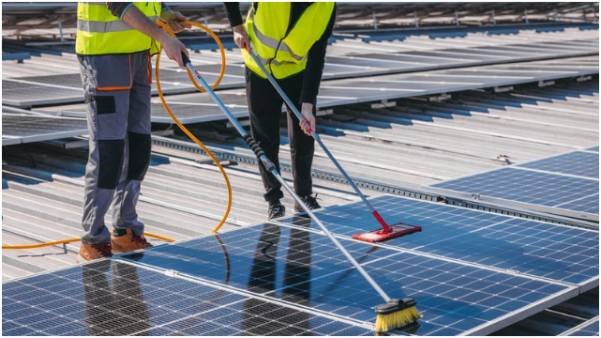
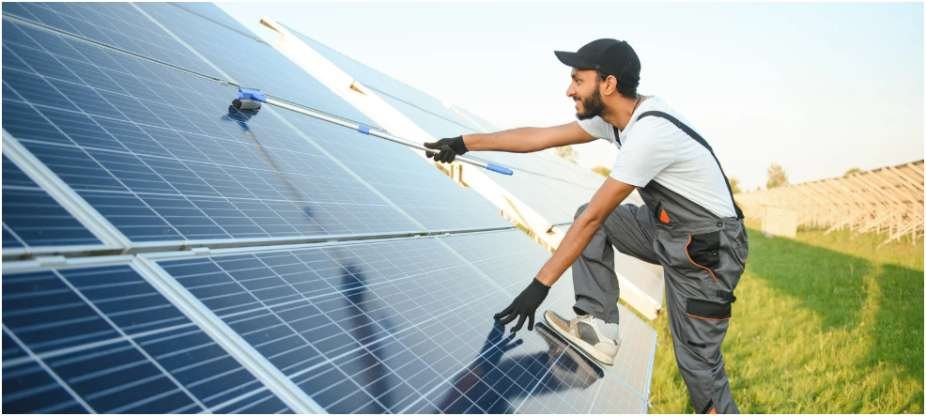
Having the right tools on hand makes cleaning your solar panels a breeze. Here’s what you’ll need to get started:
- Low-pressure hose with spray nozzle: This is a must-have for rinsing your panels without causing damage.
- Soft-bristle brush or sponge: A gentle brush will help you scrub away dirt without scratching the surface.
- Mild, non-abrasive soap: Go for biodegradable soap that won’t harm your panels or the environment.
- Safety gear: Gloves, rubber-soled shoes, and a sturdy ladder (and a harness if you’re cleaning high panels) will keep you safe.
How to Clean Solar Panels: A Step-by-Step Guide
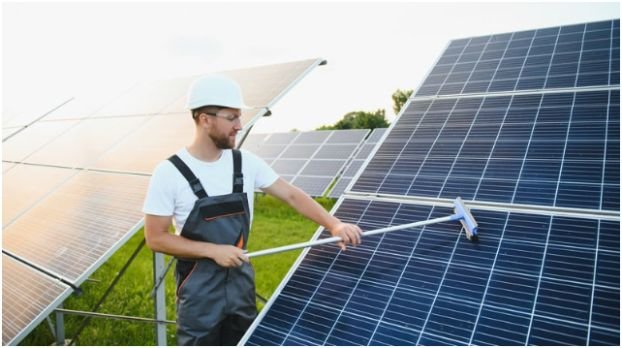
Alright, it’s cleaning time! Here’s how I tackle the job step by step:
Step 1: Shut Down the System
Before you do anything, turn off the solar system at the inverter to avoid any risk of electrical shock. Double-check the user manual to make sure you follow the correct shutdown procedure.
Step 2: Remove Loose Debris
Grab a soft brush and sweep off any leaves, twigs, or loose dirt from the panels. I like to do this while standing on the ground, if possible, to avoid walking on the panels and risking any damage.
Step 3: Rinse with Water
Next, I use a hose with a low-pressure nozzle to rinse the panels gently. This helps loosen any stuck dirt. I make sure not to use high pressure, as that could cause damage to the panels or their seals.
Step 4: Apply Soap and Scrub
Now, I get my soft-bristle brush and apply a mild, non-abrasive soap solution to the panels. I use circular motions and pay special attention to stubborn spots, like bird droppings or sap. Be gentle—no need to scrub aggressively!
Step 5: Rinse Thoroughly
Once I’ve scrubbed the panels, I rinse them with clean water to remove all soap residue. Soap left behind can attract more dirt or leave streaks. If you’re in a hard water area, I suggest using deionized or rainwater for the final rinse to avoid water spots.
Step 6: Squeegee Dry (Optional)
If you want to get rid of water spots, use a squeegee with a soft plastic blade to gently dry the panels. I find this helps them dry streak-free and prevents any water stains from forming.
What Should You Avoid When Cleaning Solar Panels?
While cleaning your solar panels is straightforward, there are a few things I always avoid to keep everything in tip-top shape:
- Don’t Use High-Pressure Washers: They can damage seals, wiring, and even the surface of the panels.
- Avoid Harsh Chemicals or Abrasive Scrubbers: Things like bleach, Windex, or rough scrubbers can damage the protective coatings on your panels.
- Never Clean During Peak Sunlight: I’ve learned the hard way that cleaning hot panels during midday can lead to cracks from thermal shock. Stick to cooler parts of the day.
- Don’t Walk on the Panels: Panels can crack or break under pressure. Always be cautious!
FAQs: Solar Panel Cleaning
1. How Often Should I Clean My Solar Panels?
I recommend cleaning your panels once or twice a year, depending on the environment. If you’re in a dusty or tree-heavy area, quarterly cleaning might be necessary. Rain helps remove light dust, but stubborn grime needs a good scrub.
2. Can I Use a Power Washer to Clean My Panels?
While it might be tempting, avoid using a power washer. It can damage your panels’ protective seals and wiring. Stick to a low-pressure hose instead to keep everything safe.
3. Do I Need to Hire a Professional to Clean My Solar Panels?
You can clean your panels yourself if you’re comfortable with it, but if they’re on a steep roof or too high to reach safely, I recommend hiring a professional. It’s better to be safe than sorry!
Keep It Clean, Keep It Green!
Maintaining your solar panels doesn’t need to be a chore, and with these simple steps, you can keep them working at their best for years to come. Remember, regular cleaning and a bit of maintenance go a long way in ensuring your system runs smoothly.
It’s all about maximizing efficiency and extending the life of your investment—without breaking the bank or risking damage.
So, the next time you think about giving your panels some attention, just grab your tools, follow the steps, and enjoy knowing that you’re helping both the planet and your wallet. Stay sun-powered, my friend!