I still remember the first time I tried figuring out how to take off acrylic nails at home. I sat on my couch, staring at my hands like they betrayed me. The nails looked gorgeous, but the thought of ripping them off gave me the kind of anxiety only beauty regrets can trigger. So I promised myself I’d learn a better way—one that didn’t leave my natural nails gasping for help. Over time, I created a simple routine that works every single time, keeps my nails healthy, and feels almost therapeutic.
If you’ve been tempted to yank your acrylics off after a long week, trust me—don’t do it. Here’s the routine I follow that removes acrylics safely without drama.
Why Should You Understand How to Take Off Acrylic Nails Safely?
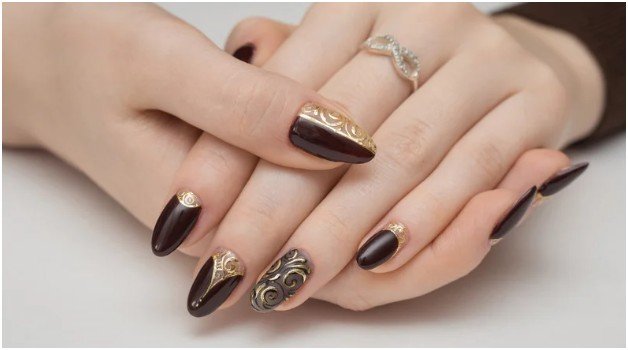
Acrylic nails look glamorous until the moment they start lifting, snagging, or outgrowing your comfort zone. I’ve been there. The worst mistake I ever made was prying one off because I was impatient. My natural nail felt like thin paper afterward, and I learned a lesson I never forgot.
Understanding the safe removal process helps you avoid splitting, peeling, or tearing your real nails. You also get more control over your nail health, especially if you love switching between acrylics, gels, and bare nails. When you focus on gentle methods, your natural nails stay stronger and recover faster after every set.
Another perk? You save time and money. I appreciate a good salon pampering session, but I don’t always want to book an appointment just to say goodbye to my acrylics. Doing it myself feels empowering and keeps my routine flexible.
What Materials Make the Process Easier?
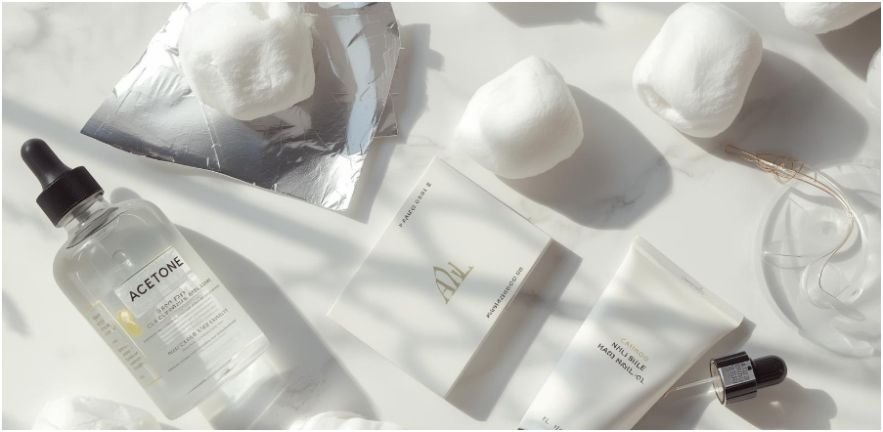
Over the years, I realized the biggest secret to an easy removal is preparation. When I gather everything before I start, the process feels smooth and less messy. Here is what I always keep on hand:
| Material | Why I Use It |
| 100% acetone | Softens acrylic fast |
| Nail clippers & coarse file | Helps reduce thickness |
| Cotton balls or pads | Holds the acetone |
| Aluminum foil | Keeps heat in for faster soaking |
| Cuticle oil or Vaseline | Protects skin from dryness |
| Cuticle pusher or orangewood stick | Lifts softened acrylic |
| Hand cream | Restores moisture afterward |
Every single item has a purpose. When you skip one, you usually end up spending more time than necessary. I learned that the hard way on days I ran out of foil or forgot my cuticle oil.
How Does the Acetone Soak Actually Work?
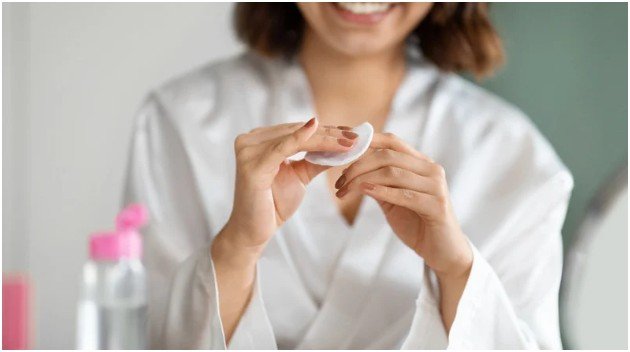
If you’ve never used the acetone wrap method, it might look intimidating. I used to wonder how sitting with foil fingertips would magically melt acrylic. But once I tried it, I understood why it’s the go-to method.
Acetone breaks down the acrylic polymer, turning the hard surface into a gummy, easy-to-remove layer. Filing the top first gives the acetone a direct path to the thickest part of the nail. Wrapping with foil traps warmth from your fingertips, which speeds everything along.
The key is patience. I used to peek after ten minutes, hoping for progress. Acrylic has its own timeline, and it rewards you when you give it enough time to soften properly.
How-To: How to Take Off Acrylic Nails Step by Step
Step 1: Trim the Length
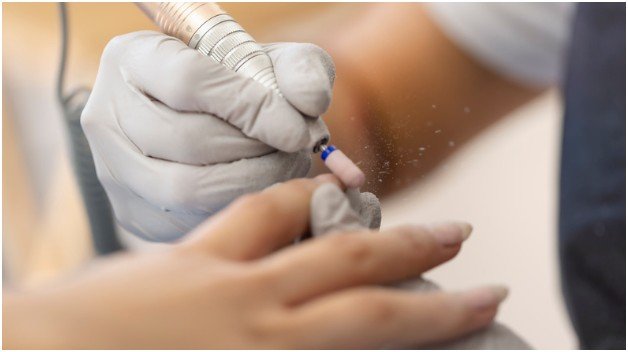
I always begin by clipping the acrylics as short as possible. This step removes unnecessary bulk. It makes soaking easier and gives your natural nails a break immediately.
Step 2: File the Surface
Next, I grab a coarse nail file and gently reduce the shiny topcoat. I focus on thinning the acrylic without touching the natural nail under it. When the surface looks rough and chalky, I know it’s ready for acetone.
Step 3: Protect the Skin
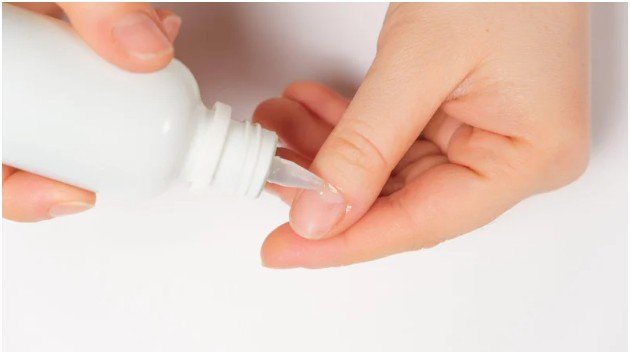
Acetone dries out skin fast, so I coat my cuticles and surrounding skin with cuticle oil or Vaseline. This creates a protective barrier that keeps my hands from feeling tight or chalky afterward.
Step 4: Soak and Wrap
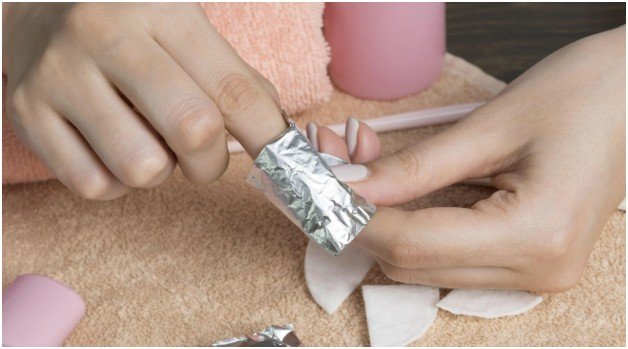
I soak a cotton ball in 100% acetone and place it directly on my nail. Then I wrap my fingertip with a foil square. The foil keeps the cotton in place and holds warmth, which helps soften the acrylic.
Step 5: Wait 20–30 Minutes
This is my relaxation window. I sometimes watch a show, answer emails, or scroll through social media. After about 25 minutes, the acrylic usually turns soft and flaky.
Step 6: Gently Remove
I unwrap one nail at a time and check the texture. When it looks gummy, I use a wooden or metal cuticle pusher to lift the softened acrylic. I keep my pressure light because forcing it only damages the nail underneath.
Step 7: Repeat if Needed
Some nails hang on a little longer. I re-soak the tough ones for another 5–10 minutes. The extra patience always pays off.
Step 8: Finish With Aftercare
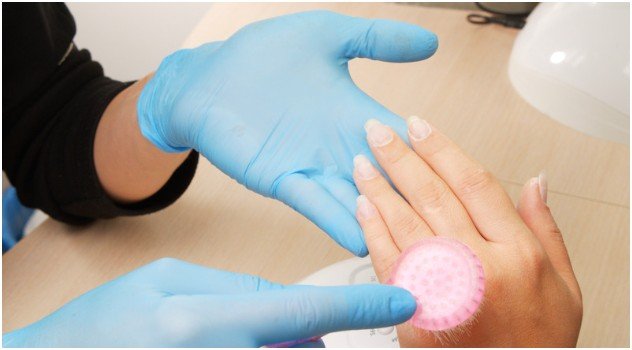
After removing all acrylics, I wash my hands thoroughly to remove any acetone residue. Then I buff the surface gently, add a layer of cuticle oil, and finish with a rich hand cream. My nails feel hydrated and refreshed.
What Are Some Alternatives If Acetone Is Not Your Thing?
I prefer acetone because it works quickly, but some days I want a gentler approach. When my nails already feel fragile, I switch to a warm water, soap, and oil soak.
This method takes longer—usually around 40 minutes—but it feels soothing. I soak my nails in warm water mixed with dish soap and a few drops of olive or coconut oil. The acrylic loosens slowly, especially if the nails are already lifting a bit. It doesn’t work as well on fresh sets, but it’s a great option for older ones.
Visiting a salon also works if you want a guaranteed smooth experience. Nail techs work with specialized tools and have professional expertise.
FAQs About How to Take Off Acrylic Nails
1. Can I remove acrylic nails without acetone?
You can, but it takes longer. Warm water mixed with oil and soap helps loosen the acrylic over time. This method feels gentle, but it only works well when the nails are already lifting or the set is old. If your acrylics are fresh or thick, acetone gives better results.
2. Why can’t I just peel or pry acrylic nails off?
Prying acrylic off pulls layers of your natural nail with it. I made that mistake once, and my nails felt paper-thin afterward. Removing acrylic properly protects the keratin layers and keeps your nails strong for the next manicure.
3. How long should I soak my nails in acetone?
I usually soak them for 20–30 minutes. Some brands soften faster, and others take longer. Checking a nail after 20 minutes gives you a good idea of whether you need a few more minutes.
4. How do I care for my nails afterward?
Hydration matters most. I use cuticle oil daily and apply a thick hand cream before bed. Giving your nails a break between acrylic sets helps them stay healthy and less brittle.
A Sassy Send-Off: Fresh Nails, Fresh Energy
Taking control of your beauty routine feels empowering, especially when you know exactly how to take off acrylic nails without stress. When you follow gentle techniques, your natural nails stay healthier and stronger.
If you ever feel tempted to rip a nail off, take a breath, grab your acetone, and remind yourself that patience saves your nails—and your peace of mind.
Personal tip: I always keep cuticle oil at my desk. When my nails feel dry, a quick swipe keeps them happy.