

I still remember the first time I googled what is compound interest after staring at a confusing savings statement. I expected stress. Instead, I felt this tiny spark of excitement—almost like discovering a cheat code for grown-up life.
I realized my money earned more money even when I forgot about it. No hustle. No drama. Just quiet, steady growth. And honestly? It felt magical.
Since then, I treat compound interest like a personal teammate that works while I sleep, cook breakfast, or binge my favorite shows. You can do the same, and today I’ll walk you through it without making your head spin.
What Is Compound Interest and Why Does It Matter So Much?
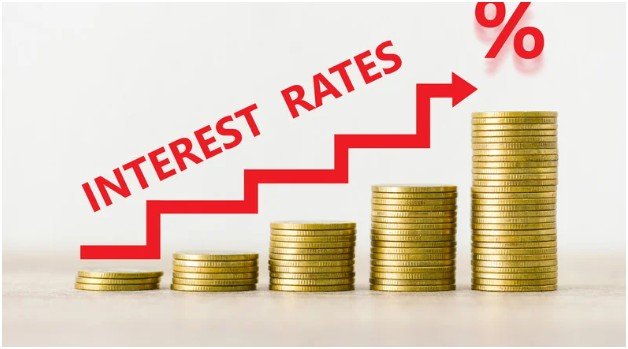
Compound interest means you earn interest on your principal and on the interest you earned before. It’s “interest on interest,” the famous snowball effect, and it grows your balance faster than you expect.
I love that this concept rewards consistency more than perfection. You don’t need huge deposits or wild returns. You just need time. That’s why people always say start early—it’s not a cliché; it’s basic math doing incredible things.
The opposite happens with debt. When your credit card compounds interest, the balance grows like a weed you forgot to pull. The more you owe, the more interest piles on, and the cycle speeds up. So compound interest becomes a hero for savings and an annoying villain for borrowing.
How Does Compound Interest Work in Real Life?

I always explain it with a simple example because it made everything click for me. Imagine you deposit $100 at 5% interest.
- Year 1: You earn $5 → total $105
- Year 2: You earn interest on $105 → total $110.25
- Year 3: You earn interest on $110.25 → total $115.76
The extra growth doesn’t seem huge at first, but the curve gets steeper over time. It’s why your grandparents tell you to start investing “now, not later.”
Here’s the formula that powers it all:
| Symbol | Meaning |
| A | Final amount |
| P | Principal (starting amount) |
| r | Annual interest rate as a decimal |
| n | Number of compounding periods per year |
| t | Time in years |
A = P(1 + r/n)^(nt)
Even if formulas scare you, don’t worry. Online calculators do the work. Your job is simply understanding how the snowball forms.
How Does Compound Interest Work When You’re Saving or Investing?
When you save or invest, compound interest becomes your loyal friend. I treat it like a slow-burn strategy for building long-term wealth. If you regularly add money—even small amounts—you speed up the compounding cycle.
Time becomes your secret weapon. A person who invests early often builds more wealth than someone who invests double the amount years later. That’s the power of growth stacking on growth.
The compounding frequency also plays a huge role. Daily compounding grows your money fastest, followed by monthly, quarterly, and yearly. It’s why some high-yield savings accounts look so impressive—they compound your interest constantly.
How Does Compound Interest Work Against You in Debt?
I didn’t fully understand credit card interest until I watched my balance swell more than my spending. That’s compound interest working against you. Credit cards often compound interest daily, which turns even a moderate balance into something heavier.
Loans can do the same. When interest compounds often, your debt can climb quicker than you expect. This doesn’t mean you should fear borrowing, but it does mean you should understand how interest adds up.
Knowledge gives you control.
How Do You Use Compound Interest to Your Advantage? (Step-by-Step Guide)
Step 1: Start Early, Even If the Amount Is Small
I used to think I needed big money to get started. Not true. Small amounts grow beautifully when time works with them. Start now, even with $10 or $20 a month.
Step 2: Pick Accounts That Offer Compounding
Savings accounts, fixed deposits, retirement accounts, and mutual funds all use compounding. Choose places where your money can grow without constant supervision.
Step 3: Increase Your Contributions When You Can
Every little bump you add boosts the snowball. I increase contributions whenever I get a raise or cut an old expense.
Step 4: Avoid Touching the Money Too Soon
Withdrawals break the compounding cycle. I treat compounding like a plant—leave it to grow, water it with more deposits, and avoid yanking it out too early.
Step 5: Check Compounding Frequency Before You Commit
Monthly or daily compounding grows faster than yearly. This detail matters more than people think.
FAQs About Compound Interest
Is compound interest good or bad?
It’s good when you’re saving and bad when you’re borrowing. If you deposit money, compound interest becomes a financial booster that helps you grow wealth over time. But if you carry credit card balances or loans with frequent compounding, the interest snowballs against you. I look at it like fire—it cooks your food or burns your house depending on how you use it. Manage it wisely and it stays your friend.
What is the best example of compound interest?
My favorite example is the simple $100 deposit at 5% interest. You start with $100, earn $5 in the first year, and end up with $105. The next year, you earn interest on $105, not just the original $100, which gives you $110.25. Then it grows to $115.76 in year three. This tiny example shows how interest builds on interest and eventually grows like a snowball rolling downhill.
Does compounding frequency really make a difference?
Absolutely. More frequent compounding means more growth. Daily compounding adds tiny increments every day, while yearly compounding adds interest only once. Over long periods, this difference stacks up. When I compare accounts, I always check the frequency because it affects my final return more than the rate alone.
How long should I keep money invested to see real compound growth?
The longer, the better. Most people start noticing meaningful growth after a few years, but the real magic happens over decades. That’s why retirement accounts become powerful—they combine time and compounding on autopilot. I treat long-term investing like planting a tree: you won’t get shade today, but future-you will thank present-you.
Your Money Wants a Better Job—Let It Work
Here’s my favorite way to think about it: your money already knows how to grow; it just needs time and a place to do it. Compound interest acts like a quiet personal assistant that works even when you’re not paying attention.
Give your money space, patience, and consistent deposits, and it’ll return the favor with steady growth.
Start today. Start small. But start—future you will be very proud.